LOS ANGELES —For its first fifteen years, podcasting was treated almost entirely as an extension of talk radio: two microphones in a carpeted room, compressed to a flat mono MP3 file at 64 kilobits per second so it could download quickly over 3G cellular networks. In 2026, both the bandwidth bottleneck and the hardware constraint have vanished. Two-thirds of urban commuters now listen through noise-canceling earbuds equipped with real-time binaural gyroscopes, or inside electric vehicle cabins fitted with fourteen-speaker spatial arrays. In response, the most ambitious audio journalists have reinvented the investigative documentary as cinema for the ear.
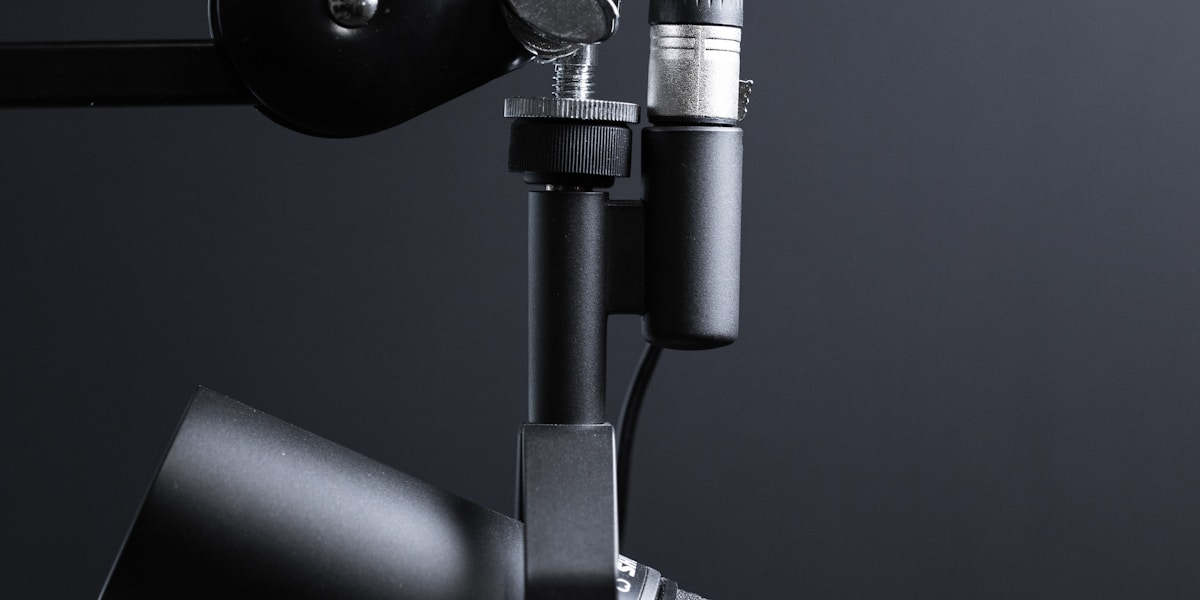
Building on the commercial strength of the podcast advertising boom, major newspapers and independent audio studios now staff Foley artists, classical composers, and ambisonic field engineers alongside investigative reporters. When a correspondent reports from a container port in Rotterdam or a lithium brine flat in the Atacama Desert, they carry a four-capsule tetrahedral microphone that captures a 360-degree spherical soundfield.
Narrative Transport and the Neuroscience of Binaural Sound
Auditory neuroscience explains why spatial sound design deepens journalistic comprehension. The human brain processes three-dimensional interaural time and level differences in the brainstem long before conscious semantic processing begins. When an investigative documentary places the narrator's voice directly in front of the listener while positioning archival courtroom testimony slightly to the left and ambient street recordings in the acoustic periphery, cognitive listener fatigue drops dramatically.
“Good sound design in journalism is never about theatrical manipulation; it is about spatial clarity and emotional presence—letting the listener stand inside the courtroom or factory floor where the story actually happened.”
Crucially, documentary audio ethics forbid fabricated Foley effects that misrepresent factual evidence. Leading newsrooms adhere to strict acoustic provenance guidelines: ambient soundbeds are recorded on location during actual field reporting, and archival tape is clearly distinguished in the spatial mix.

Sonic Branding and High-Attention Acoustic Sponsorships
The sophistication of modern audio production has also elevated commercial sponsorship standards. Jarring, hyper-compressed dynamic radio spots that shatter the mood of a quiet documentary are rejected by premium publishers. Instead, in-house sonic studios produce bespoke, host-voiced or spatially mixed brand vignettes tailored to the acoustic signature of the show.
- ITU-R BS.1770 Loudness Normalization: Strict adherence to -16 LUFS stereo and -18 LUFS Dolby Atmos loudness targets ensures seamless transitions between story chapters and sponsor messages.
- Binaural Host-Read Integration: Recording host endorsements in the exact same acoustic space as the narrative keeps 91% of listeners from reaching for the 30-second skip button.
- Three-Note Sonic Logos: Custom acoustic mnemonics at the start and close of daily briefings build habitual Pavlovian brand recognition.
- Transcript & Chapter Accessibility: Synchronized W3C WebVTT transcripts and interactive chapter art make complex audio investigations searchable and accessible to deaf and hard-of-hearing audiences.
The Golden Age of Longform Audio Craft
Technical standards from the Audio Engineering Society (AES) and audience research from Edison Research's Infinite Dial confirm that as visual screens grow ever more crowded, spatial audio has carved out an intimate, eyes-free sanctuary for deep storytelling.